The Secret to Pignoli Cookies: Almond Paste & Pine Nuts Unveiled
There are some culinary experiences that leave an indelible mark, a memory of taste and texture so profound that it sparks a quest. For many, that quest leads directly to the extraordinary world of Pignoli Cookies. These delectable treats, known by various names such as Italian Pine Nut Cookies or Pinon Cookies in some regions, stand apart in the vast landscape of baked goods. Their unique allure lies in a delicate balance of crunchy exterior, chewy interior, and a profoundly nutty, sweet flavor that captivates the senses. If you've ever wondered what makes these traditional Italian delights so irresistible, the secret is finally revealed: a masterful combination of almond paste and the humble yet exquisite pine nut.
For years, many have searched for the perfect iteration of these cookies after a single, unforgettable bite. Imagine stumbling upon a cookie so distinct, so unlike any other, that it haunts your culinary thoughts for years. This isn't just a sugar cookie with nuts sprinkled on top; these
Authentic Italian Pignoli Cookies: Naturally Gluten-Free Delight offer a depth of flavor and a textural complexity that sets them in a league of their own. Often mistaken for more complex confections, the beauty of the Pignoli cookie is its sophisticated simplicity, achieved through just a few key ingredients that work in perfect harmony.
Unveiling the Enigma: What Makes Pignoli Cookies So Special?
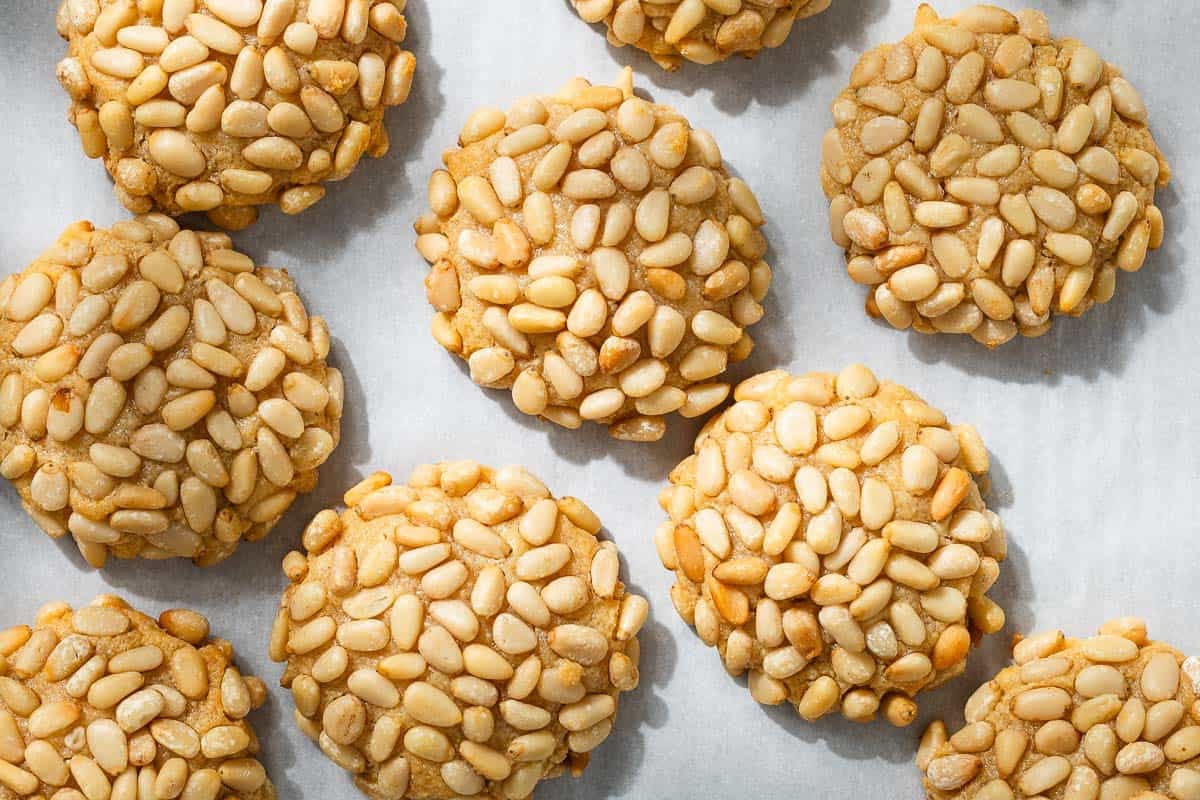
The initial encounter with a genuine Pignoli cookie is often one of pleasant surprise. Unlike typical flour-based cookies, the Pignoli immediately announces its distinct identity with a texture that is simultaneously crisp on the outside and wonderfully soft and chewy within. This unique mouthfeel, combined with a rich, nutty sweetness, creates an experience that is truly unforgettable. For those accustomed to simpler shortbreads or sugar cookies, the Pignoli presents a revelation. It's a cookie that encourages savoring, prompting questions about its origins and composition.
Many recipes claiming to be "pine nut cookies" fall short, often merely topping a standard cookie dough with pine nuts. While undoubtedly delicious in their own right, these lack the foundational distinctiveness that defines a true Pignoli. The magic truly happens when you unlock the specific ingredients and methods that create that characteristic light, airy chew. This is where the core "secret" comes into play, distinguishing these beloved Italian treats from all others and solidifying their status as an almond-lover's dream.
The Heart of the Matter: Almond Paste – The Unsung Hero
At the very core of what makes these Italian pine nut cookies, pignoli or otherwise, so profoundly special is almond paste. Often overshadowed by its more famous relative, marzipan, almond paste is a dense, pliable confection made from finely ground almonds, sugar, and a small amount of egg white or glucose. It is
not almond flour, nor is it merely almond extract. Its unique texture and high almond content are what bestow the Pignoli cookie with its signature moist, chewy, and slightly dense yet light interior.
When combined with whipped egg whites, almond paste transforms into a remarkably elastic and airy dough. This is the fundamental reason why Pignoli cookies possess that coveted delicate chew and are naturally flourless. The almond paste itself provides the necessary structure and body, while the egg whites introduce air, leading to a cookie that is surprisingly light despite its richness. Without almond paste, you simply cannot achieve the authentic texture and intense almond flavor that defines a true Pignoli. It's the ingredient that allows these cookies to be inherently gluten-free, making them a welcome delight for those with dietary restrictions without compromising on taste or texture.
Tips for Working with Almond Paste:
- Source Wisely: Look for almond paste in the baking aisle of most well-stocked grocery stores or specialty food shops. Ensure it's pure almond paste, not marzipan, which often contains more sugar and sometimes other ingredients.
- Temperature Matters: Almond paste can be stiff when cold. For easier incorporation, allow it to come to room temperature or gently warm it slightly if needed, making it more pliable.
- Break it Down: Before mixing, it's often helpful to break the almond paste into smaller pieces or grate it to ensure it blends smoothly and evenly into your dough, preventing lumps.
The Golden Crown: The Irresistible Charm of Pine Nuts
While almond paste forms the soul of the Pignoli, the pine nuts are its glorious crown, lending not only their name but also a crucial textural and flavor dimension. The word "pignoli" itself is derived from the Italian *pignolo*, meaning pine nut. These small, buttery nuts provide a delicate crunch and a distinct, subtly resinous, and earthy flavor that perfectly complements the sweet almond base.
Rolling the cookie dough in pine nuts before baking ensures that each bite delivers a delightful interplay of textures – the crisp, golden-brown pine nuts on the outside giving way to the soft, chewy interior. The slight toasting the nuts receive during baking further intensifies their natural oils, releasing an aromatic fragrance that fills the kitchen and enhances the overall sensory experience. The visual appeal is undeniable too, with the golden-hued cookies studded with creamy pine nuts, making them an elegant addition to any dessert platter.
A Culinary Journey: From Southern Italy to Your Table
Pignoli cookies are more than just a sweet treat; they are a culinary tradition, particularly prominent in Southern Italy, with strong roots in regions like Sicily and Campania. These cookies evoke a sense of nostalgia, often found gracing holiday tables, family gatherings, and Italian-American bakeries, nestled amongst other beloved classics like ricotta cookies, biscotti, and amaretti. They are a testament to the Italian philosophy of creating extraordinary flavors from simple, high-quality ingredients.
Despite their sophisticated appearance and unique flavor profile, Pignoli cookies are surprisingly easy to make. Their inherent flourless nature not only makes them a dream for gluten-free diets but also simplifies the baking process. There's no complex dough to knead or rest for hours. The magic truly lies in combining the core ingredients correctly, making them an accessible yet impressive bake for home cooks of all skill levels. For those looking to expand their holiday cookie repertoire beyond the usual peppermint bark and fudge, Pignoli cookies offer an unexpected and utterly delightful addition. They are the kind of treat that always elicits comments, prompts recipe requests, and inevitably leads to "just one more."
If you're eager to try your hand at
Crafting Pignoli Cookies: Chewy, Nutty Italian Pine Nut Perfection, you'll find the process incredibly rewarding. The aroma alone as they bake is enough to transport you to a bustling Italian bakery.
Crafting Perfection: Tips for Pignoli Success
- Perfecting the Dough: The key to the right texture lies in thoroughly combining the almond paste with sugar and then folding in carefully whipped egg whites. Don't overmix once the egg whites are incorporated; you want to maintain their airiness.
- Chill for Control: If your dough feels too sticky to handle, a brief chill in the refrigerator (30 minutes to an hour) can make it much easier to roll into balls and coat with pine nuts.
- Gentle Rolling: When coating the dough balls in pine nuts, press gently to ensure they adhere well without deforming the cookie. You want a generous, even layer.
- Baking Precision: Oven temperatures and baking times can vary. Watch your cookies carefully. They should be lightly golden, firm around the edges, but still slightly soft in the center when removed from the oven. This ensures that coveted chewy texture. Over-baking will make them hard.
- Cool Completely: Allow the cookies to cool completely on the baking sheet before transferring them to a wire rack. This helps them set and prevents them from breaking.
Conclusion
The secret to the incomparable taste and texture of Pignoli cookies lies unequivocally in the thoughtful combination of rich almond paste and delicate pine nuts. These Italian pine nut cookies, pignoli or pinon, offer a unique culinary journey, transforming simple ingredients into a sophisticated, naturally gluten-free delight. From their traditional roots in Southern Italy to their place on modern holiday tables, Pignoli cookies consistently charm with their crunchy exterior, chewy interior, and deeply satisfying nutty flavor. They are a testament to the power of a few key ingredients, perfectly balanced, to create something truly extraordinary. Embrace the secret, and embark on your own delightful journey with these irresistible Italian masterpieces.